


OUR MATERIALS
What is plant-based leather — and why does it matter?
Most bags labelled "vegan leather" are made from PU — a plastic-based coating that looks like leather for a season or two, then cracks, peels, and ends up in landfill. It solves one problem (no animals) while creating another (more plastic).
Plant-based leather is different. It starts with agricultural material — cactus leaves, olive byproducts, corn and wheat residues — that would otherwise go to waste, and transforms it into a durable, textile-grade material with a minimum of 65% plant-derived content.
No animals. Significantly less plastic. A material that earns its place.
Here's what we use, where it comes from, and how it's made.
Our materials are the starting point.
Coneli bags are made from plant-based leathers — cactus, olive, and corn — materials derived from agricultural byproducts that would otherwise go to waste. No animals. No PVC. No plastic coating that peels after two years.
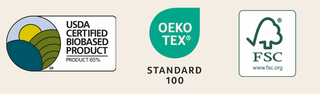
The USDA Certified Biobased Product label play a key role in transparency, we only use certified materials with 65% biobased content. The USDA Certified Biobased Product label displays a product's biobased content, which is the portion of a product that comes from a renewable source, such as plant, animal, marine, or forestry feedstocks. Utilizing renewable, biobased materials displaces the need for non-renewable petroleum-based chemicals. Biobased products, through petroleum displacement, have played an increasingly important role in reducing greenhouse gas (GHG) emissions that exacerbate global climate change.
How it's made – step by step

Cactus Leather
Used in: The Fanny Pack · The Tote (Green & Black)
Sourced from Desserto®, Zacatecas, Mexico
Where it comes from
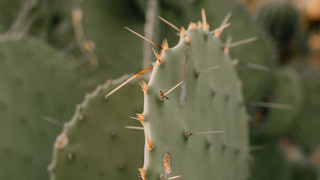
The Nopal cactus (Opuntia ficus-indica) grows across Mexico and semi-arid regions worldwide. It's one of nature's most resilient plants — thriving in poor soils, surviving droughts, and requiring no irrigation. It's been cultivated in Mexico for centuries.
Desserto® grows their cactus on a 14-acre ranch in Zacatecas, Mexico. The plantation is entirely organic — no pesticides, no herbicides, no irrigation. The cactus absorbs water through its own natural hygroscopic mechanism, drawing moisture from the air at night.
How it's made — step by step
1. Harvest
Only mature cactus leaves are selected and cut every 6–8 months. The plant itself is never uprooted — it continues growing and can be harvested repeatedly for up to 8 years from the same plant.
2. Drying
The harvested leaves are laid out in a natural solarium for three days, drying under the sun. No additional energy is needed for this step.
3. Processing
The dried cactus material is processed using Desserto's patented formula into a textile-ready material. The process uses no toxic chemicals.
4. Finishing
The material is finished to achieve the texture, thickness, and colour required — resulting in a soft, flexible leather-like material ready for use in bag production.
5. What happens to the rest
Any surplus cactus material not used in the process is sold to the food industry. Nothing is wasted.
The numbers
- Water use: 200 litres per kg of material — compared to 1,000 litres for conventional crops
- CO₂: The 14-acre farm absorbs 8,100 tonnes of CO₂ per year. Annual emissions from the farm: 15.3 tonnes.
- Plant content: Minimum 65% bio-based, certified
- Certification: USDA Certified Biobased
What it feels like
Cactus leather is notably soft — closer in feel to a well-worn conventional leather than most alternatives. It's flexible, lightweight, and develops a subtle character with use.
Corn Leather (Viridis®)
Used in: The Tote (Camel)
Sourced from Viridis®, Italy
Where it comes from
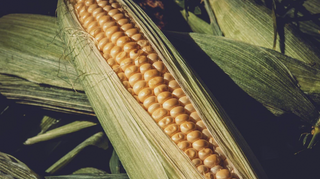
Viridis® is produced by Panama Trimmings in Italy, using corn, wheat, and viscose — predominantly agricultural crop residues combined with FSC-certified wood-based fibres. The result is a material with up to 69% bio-based content, certified by the USDA.
How it's made — step by step
1. Raw material sourcing
Corn and wheat residues are collected and processed alongside FSC-certified viscose fibres derived from responsibly managed forests.
2. Compound production
The plant-based inputs are combined into a bio-compound following Viridis's proprietary process.
3. Coating & finishing
The compound is applied to a textile base and finished in multiple surface qualities — from matte to nubuck to grain textures — allowing for a wide range of aesthetic outcomes.
4. Certification
Every batch is tested and certified against USDA Biobased, OEKO-TEX (no harmful substances), FSC, and Animal Free (PETA approved) standards.
The numbers
- Plant content: Up to 69% bio-based, USDA certified
- Certifications: USDA Biobased · OEKO-TEX · FSC · Animal Free (PETA)
- Harmful substances: None — OEKO-TEX certified safe for skin contact
What it feels like
Lightweight and flexible, with a finish that closely resembles conventional leather. Corn leather is well-suited for accessories and smaller bags where a lighter, more pliable material is beneficial.
Olive Leather
Used in: The Bucket Bag · The Wallet
Sourced from Oleatex, Mediterranean region
Where it comes from
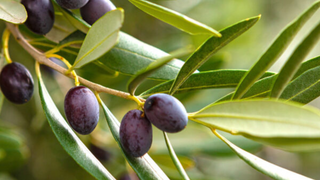
The Mediterranean produces millions of tonnes of olive oil every year. That process generates an enormous amount of byproduct — olive pomace, leaves, and residues that are typically discarded or burned. Oleatex transforms this agricultural waste into a premium leather alternative.
No new land is cultivated. No new resources are consumed. The raw material is entirely circular — it exists because of olive oil, not because of demand for leather.
How it's made — step by step
1. Collection
Olive byproducts — pomace, leaves, and processing residues — are collected from olive oil production facilities across the Mediterranean.
2. Processing
The collected material is cleaned, processed, and prepared into a plant-based compound using Oleatex's proprietary technology.
3. Binding & finishing
The olive compound is combined with a backing textile and finished to create a durable, textured material with the appearance and behaviour of high-quality leather.
4. Quality testing
The finished material is tested for durability, abrasion resistance, water resistance, and consistency before it reaches production.
What makes it different
Olive leather has a natural, slightly organic grain texture that develops character with use — similar to how genuine leather ages. It's one of the more durable plant-based materials available, with strong resistance to everyday wear.
Its origin as an agricultural byproduct means the environmental footprint is exceptionally low: the raw material already existed and would otherwise have gone to waste.
What it feels like
Structured and substantial — olive leather has a firmer hand than cactus leather, making it ideal for bags that need to hold their shape. It softens gradually with use and develops a gentle patina over time.
Why we chose these three materials
We didn't choose plant-based leathers because they're trendy. We chose them because they're the most honest answer we could find to a simple question: how do you make a bag that's genuinely good — for the person carrying it and for the world it exists in?
Each material we use:
- Contains a minimum of 65% plant-derived content (certified)
- Is produced without toxic chemicals in the tanning process
- Uses agricultural waste or byproducts as its raw material
- Has been independently certified for its bio-based content
None of them are perfect. Plant-based leathers still use some synthetic components in the binding and finishing process — and we believe in being honest about that. What they represent is a significant step forward from both conventional leather (high environmental cost, animal welfare issues) and standard PU vegan leather (largely plastic, peels over time).
We'll keep looking for better options as the material science improves. For now, these are the most responsible, durable, and beautiful materials we've found.
At a glance — material comparison

Designed to do more.
Every Coneli bag is built around one idea: that a well-designed bag should adapt to your life, not the other way around. Our Tote converts from a shoulder bag to a backpack. Our Fanny Pack transforms into four different styles. Our Bucket Bag expands when you need it to.
This isn't a gimmick — it's a deliberate choice to make fewer, better things. One bag that genuinely works for multiple occasions means less buying, less waste, and more room in your wardrobe for what actually matters.
What we're building toward.
Coneli is a small brand. We launched with a handful of styles, made from materials we believe in, by people we trust. We're not trying to be everywhere at once — we're trying to make bags that last long enough that you never feel the need to replace them.
That's what ethical consumption looks like to us. Not a label. Not a marketing strategy. Just better decisions, made carefully, one bag at a time.