


THE
BEST VEGAN LEATHERS
If you've searched for a vegan bag recently, you've probably come across plant-based leathers like cactus, olive or corn leather. But with more brands entering the market, how do you know what actually makes a good vegan leather bag — and which ones are worth the investment?
As we use plant-based leathers for all our products, we like to answer the most common questions about vegan leather bags: what to look for, how they compare to other materials, and what the best options look like in 2026.
As a small brand dedicated to timeless craftsmanship, we create products using at least 65% bio-based materials — always with a deep respect for nature and people. We proudly support local artisans and uphold ethical production practices.
That’s why we release only a few limited collections or specific color drops each year, each one celebrating innovative plant-based materials and thoughtful, practical design — inspired by the natural world and the everyday needs of modern women.
We are carefully select our materials and want to share with you what we learned so far:

Why don't brands tell you this?
Simple: PU is cheap. Plant-based leather costs more to source — sometimes two to three times as much. And because "vegan" isn't a regulated term, brands can write "vegan leather bag" without disclosing that they're using PU.
That's not illegal. But in our view, it's dishonest.
Is plant-based leather perfect?
No. That's the honest brand answer you probably didn't expect.
Currently, most plant-based leathers still aren't 100% biodegradable — they often still require synthetic binders or a carrier layer. Cactus leather, for example, is 65–80% bio-based. That means it's a real step forward, but not yet the complete solution.
What it is: a meaningfully better option than PU. And the technology improves every year.
Want to learn more about cactus leather specifically? Read our full guide: What Is Cactus Leather? →

The right questions to ask brands
Before buying any "vegan bag":
- What exactly is the material? PU? PVC? Or a specific plant-based leather?
- What percentage is bio-based? Under 50%? Greenwashing red flag.
- Where and how is it produced? Fair wages? Local production?
- How long will it last? Does it peel? Is it repairable?
- What happens at end of life? Recyclable? Biodegradable?
Buying Guide — What to Look For:
How to Choose a Vegan Leather Bag Worth Buying
The vegan bag market has grown fast — and not all of it is worth your money. Here's what actually matters when you're deciding whether a bag will last.
Check the plant content percentage.
Most bags labelled "vegan leather" are made from PU — a plastic-based material that looks like leather for a year or two, then starts to peel and crack. Genuine plant-based leathers list their bio-based content clearly: look for a minimum of 65% plant-derived material. If a brand doesn't mention it, assume it's low.
Ask where and how it's made.
Handcrafted bags made in countries with strong artisan traditions — like Portugal — tend to outlast mass-produced alternatives by years. Craftsmanship affects everything from stitching strength to how the material is finished. A bag made by skilled hands in a fair-wage workshop is also a more honest purchase.
Think in uses, not outfits.
The most sustainable bag you can buy is one you actually use every day. Multi-use designs — bags that convert from tote to backpack, or fanny pack to shoulder bag — replace the need for multiple pieces and hold their value longer. That's better for your wallet and for the planet.
Look at how the brand talks about sustainability.
Vague claims like "eco-friendly" or "conscious" without specifics are a red flag. Brands worth trusting tell you exactly which material they use, where it comes from, and how the bag is made. Transparency isn't a marketing strategy — it's the baseline.
Consider longevity over price.
A well-made plant-based leather bag in the €150–€300 range will outlast three or four cheaper alternatives. The real cost of a bag isn't the price tag — it's the price divided by the years you use it.

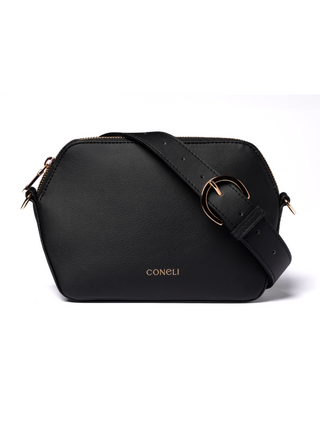
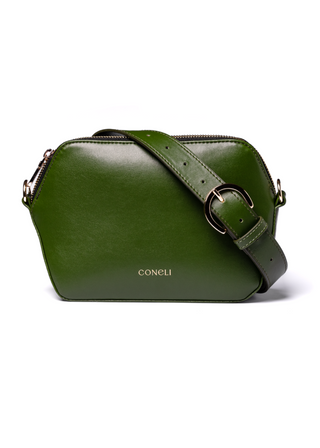
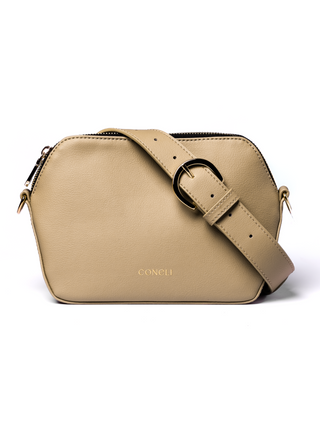
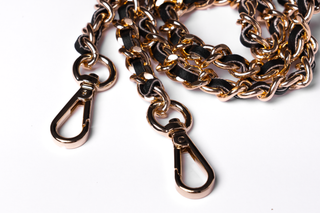
What we use at Coneli
We use only bio-based materials with a minimum of 65% plant-derived content, including corn, cactus and olive leather. These plant-based, durable, and water-resistant materials deliver the luxurious feel of traditional leather with a significantly lower environmental impact.
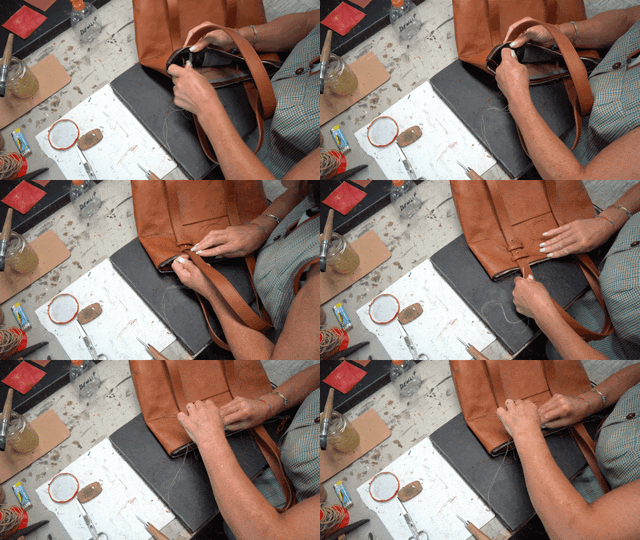
Each Coneli bag is handcrafted in Portugal, a country renowned for its leather craftsmanship and commitment to ethical production practices. Our bags are made by people who are paid fair wages, ensuring that every bag is made responsibly and with respect for both the workers and the environment.
We release only a few limited collections each year, each one celebrating innovative plant-based materials and thoughtful, practical design — inspired by the natural world and the everyday needs of modern women.
FAQ on plant-based leathers
The Bottom Line
If you're looking for a vegan leather bag that actually holds up — in quality, in ethics, and in everyday use — the difference comes down to material and craftsmanship. Plant-based leathers like olive and cactus aren't just a better alternative to conventional leather; they're a better alternative to most of what's currently sold as "vegan."
Coneli's collection is a rare example of a brand that delivers on both: bags made from bio-based materials with 65%+ plant content, handcrafted in Portugal, designed to be used in more than one way. Whether you start with the Bucket Bag, the Tote, or the Fanny Pack, you're investing in something built to last — and something you can actually feel good about carrying.